
The Gift of Prophecy: God's Voice to His End-Time People
Living the Faith: Discipleship, Gifts, and the Christian Home • ~9 min read
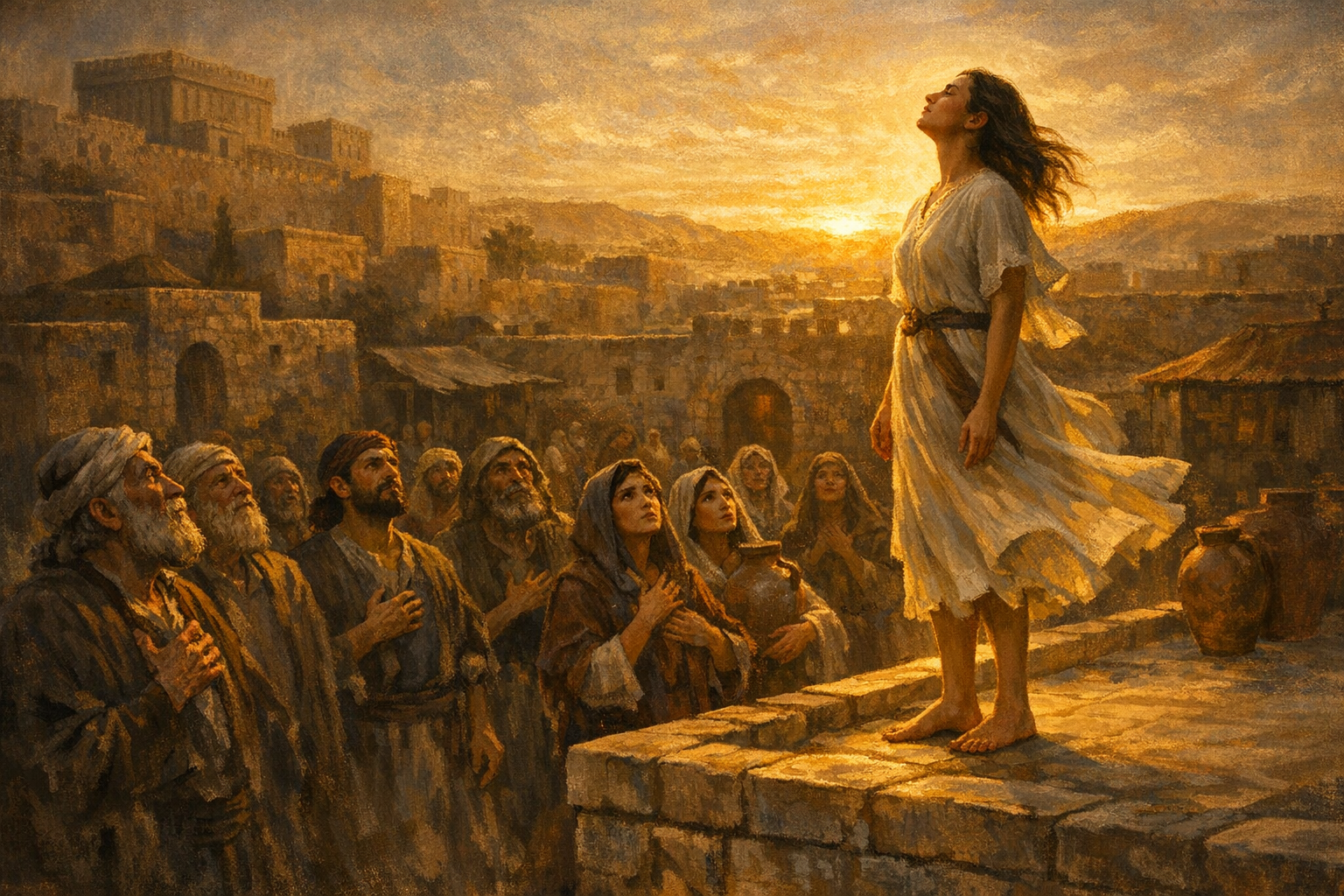
The Gift of Prophecy: God's Voice to His End-Time People
Introduction: Does God Still Speak?
Have you ever wished you could hear directly from God — not just in a general sense, but a clear, timely word for the moment you are living in? The good news is that God has always spoken to His people through prophets, and Scripture promises that this gift would be especially active in the last days. This lesson explores what the Bible teaches about the gift of prophecy, how to recognize it, and why God pours it out on His end-time remnant church.
As we study, we will discover that the prophetic gift is not a relic of the Old Testament. It is a living, Spirit-given treasure that God has promised to His people right up until Jesus returns.
Part 1: The Promise — Prophecy in the Last Days
The prophet Joel recorded one of the most sweeping promises about the Holy Spirit ever given. Peter quoted it on the day of Pentecost, but notice that its fullest fulfillment points to "the last days":
"And it shall come to pass afterward, that I will pour out my spirit upon all flesh; and your sons and your daughters shall prophesy, your old men shall dream dreams, your young men shall see visions: And also upon the servants and upon the handmaids in those days will I pour out my spirit."
— Joel 2:28-29 (KJV)
Notice how inclusive this promise is: sons and daughters, old and young, servants and handmaids. The prophetic gift is not reserved for a spiritual elite. God promises to speak through ordinary people in extraordinary times. Peter confirmed that the outpouring of Pentecost was the beginning of this fulfillment (Acts 2:16-17), but the "last days" context means the full harvest of this promise belongs to the generation living just before Christ's return.
Part 2: The Gift of Prophecy in the New Testament Church
The apostle Paul makes clear that prophecy is one of the spiritual gifts given to build up the body of Christ:
"Now there are diversities of gifts, but the same Spirit. And there are differences of administrations, but the same Lord. And there are diversities of operations, but it is the same God which worketh all in all. But the manifestation of the Spirit is given to every man to profit withal. For to one is given by the Spirit the word of wisdom; to another the word of knowledge by the same Spirit; To another faith by the same Spirit; to another the gifts of healing by the same Spirit; To another the working of miracles; to another prophecy; to another discerning of spirits; to another divers kinds of tongues; to another the interpretation of tongues."
— 1 Corinthians 12:4-10 (KJV)
Prophecy is listed here among the gifts the Holy Spirit distributes for the common good of the church. Paul goes further in the same letter to explain the purpose of these gifts:
"And God hath set some in the church, first apostles, secondarily prophets, thirdly teachers, after that miracles, then gifts of healings, helps, governments, diversities of tongues."
— 1 Corinthians 12:28 (KJV)
Prophets are listed second only to apostles in God's ordering of the church. This is not accidental — the prophetic voice is foundational to how God guides and protects His people. Paul even urges believers to actively desire this gift:
"Follow after charity, and desire spiritual gifts, but rather that ye may prophesy."
— 1 Corinthians 14:1 (KJV)
Why does Paul single out prophecy? He explains:
"But he that prophesieth speaketh unto men to edification, and exhortation, and comfort."
— 1 Corinthians 14:3 (KJV)
The prophetic gift builds people up, calls them to faithfulness, and brings comfort. It is a pastoral, loving gift — not a frightening or elitist one.
Part 3: The Remnant Church and the Testimony of Jesus
The book of Revelation describes God's end-time people with two defining characteristics:
"And the dragon was wroth with the woman, and went to make war with the remnant of her seed, which keep the commandments of God, and have the testimony of Jesus Christ."
— Revelation 12:17 (KJV)
Two marks identify the remnant: (1) they keep the commandments of God — including the seventh-day Sabbath of the fourth commandment — and (2) they have "the testimony of Jesus Christ." What is this testimony? The angel who spoke to John in Revelation explains it directly:
"And I fell at his feet to worship him. And he said unto me, See thou do it not: I am thy fellowservant, and of thy brethren that have the testimony of Jesus: worship God: for the testimony of Jesus is the spirit of prophecy."
— Revelation 19:10 (KJV)
The "testimony of Jesus" is identified as "the spirit of prophecy" — the prophetic gift operating among God's people. This means the remnant church, the people who keep God's commandments and await Christ's return, will be marked by the active presence of the prophetic gift in their midst. Far from ceasing at the close of the apostolic age, prophecy is a sign of the true end-time church.
Part 4: How to Test a Prophet
Because the prophetic gift is genuine, counterfeits will also appear. Jesus Himself warned:
"Beware of false prophets, which come to you in sheep's clothing, but inwardly they are ravening wolves."
— Matthew 7:15 (KJV)
Paul adds:
"Despise not prophesyings. Prove all things; hold fast that which is good."
— 1 Thessalonians 5:20-21 (KJV)
Notice the balance: do not despise prophecy, but do test it. The Bible gives us clear tests:
- Test 1 — Agreement with Scripture: "To the law and to the testimony: if they speak not according to this word, it is because there is no light in them." (Isaiah 8:20, KJV) A true prophet will never contradict the written Word of God.
- Test 2 — Confession of Christ in the flesh: "Beloved, believe not every spirit, but try the spirits whether they are of God: because many false prophets are gone out into the world. Hereby know ye the Spirit of God: Every spirit that confesseth that Jesus Christ is come in the flesh is of God: And every spirit that confesseth not that Jesus Christ is come in the flesh is not of God." (1 John 4:1-3, KJV)
- Test 3 — Fruit of the life: "Ye shall know them by their fruits. Do men gather grapes of thorns, or figs of thistles?" (Matthew 7:16, KJV) A true prophet's life will bear the fruit of the Spirit — love, faithfulness, and holiness.
- Test 4 — Fulfilment of predictions: "When a prophet speaketh in the name of the LORD, if the thing follow not, nor come to pass, that is the thing which the LORD hath not spoken, but the prophet hath spoken it presumptuously: thou shalt not be afraid of him." (Deuteronomy 18:22, KJV)
These four biblical tests protect the church from deception while keeping the door open to genuine prophetic ministry.
Part 5: The Gift Equips the Church Until Christ Returns
Paul explains that the spiritual gifts — including prophecy — are given for a specific duration:
"And he gave some, apostles; and some, prophets; and some, evangelists; and some, pastors and teachers; For the perfecting of the saints, for the work of the ministry, for the edifying of the body of Christ: Till we all come in the unity of the faith, and of the knowledge of the Son of God, unto a perfect man, unto the measure of the stature of the fulness of Christ."
— Ephesians 4:11-13 (KJV)
The gifts continue "till we all come in the unity of the faith" — that is, until the church reaches its full maturity at Christ's return. The church has not yet reached that unity, and Christ has not yet returned. Therefore, the prophetic gift remains active and necessary. To claim that prophecy ended with the apostles is to read into Scripture something it does not say.
The Second Coming of Christ will be literal, visible, and glorious — every eye will see Him (Revelation 1:7). Until that day, God equips His people with every gift they need, including the voice of prophecy, to stand firm and finish the work.
Part 6: Receiving and Responding to the Prophetic Gift
How should a believer respond when the prophetic gift operates in the church? Paul gives clear guidance:
"Quench not the Spirit. Despise not prophesyings."
— 1 Thessalonians 5:19-20 (KJV)
To "quench" means to smother or put out — like throwing water on a fire. We quench the Spirit when we dismiss, mock, or ignore the prophetic word God sends to His people. At the same time, we are to test and discern. The response God calls for is neither blind acceptance nor cynical rejection, but prayerful, Scripture-anchored discernment.
When genuine prophecy is received with humility and obedience, the result is a church that is edified, comforted, and directed toward Christ. The prophetic gift ultimately points people to Jesus, the Author and Finisher of our faith, and to His Word as the final authority in all things.
Reflection Questions
- Joel 2:28-29 promises that the Spirit will be poured out on "all flesh" — sons and daughters, old and young. What does this tell you about who God chooses to speak through, and how does that challenge any assumptions you might have about who can be used by God?
- Revelation 12:17 identifies the remnant as those who "keep the commandments of God, and have the testimony of Jesus Christ." Why do you think these two characteristics — commandment-keeping and the prophetic gift — are paired together as marks of God's end-time people?
- The Bible gives four tests for a true prophet. Which of these tests do you think is most neglected in Christian circles today, and why? How can you personally apply these tests with both discernment and openness?
- Paul warns against "quenching the Spirit" and despising prophecy (1 Thessalonians 5:19-20). Can you think of ways a person or a church might unintentionally quench the prophetic gift? What attitudes or habits might need to change?
- Ephesians 4:11-13 teaches that the gifts — including prophecy — are given until the church reaches the "unity of the faith" at Christ's return. How does this perspective change the way you think about spiritual gifts in your own congregation?
Practical Application
This week, spend time in 1 Corinthians 14:1-5 and ask God to give you a deeper appreciation for the prophetic gift. As you do, consider two practical steps:
- Study to test: Choose one of the four biblical tests for a true prophet and look up two or three additional passages that support it. Build your confidence in Scripture as the measuring rod for all spiritual claims.
- Pray with openness: Ask the Holy Spirit to help you neither quench genuine prophetic ministry nor be deceived by counterfeits. Pray specifically that your church community would be a place where the gifts of the Spirit — including prophecy — operate freely, always under the authority of God's Word.
Remember: the same God who spoke through Isaiah, Jeremiah, and the apostle John is still speaking. The question is whether we are listening with humble, Scripture-tested hearts.