
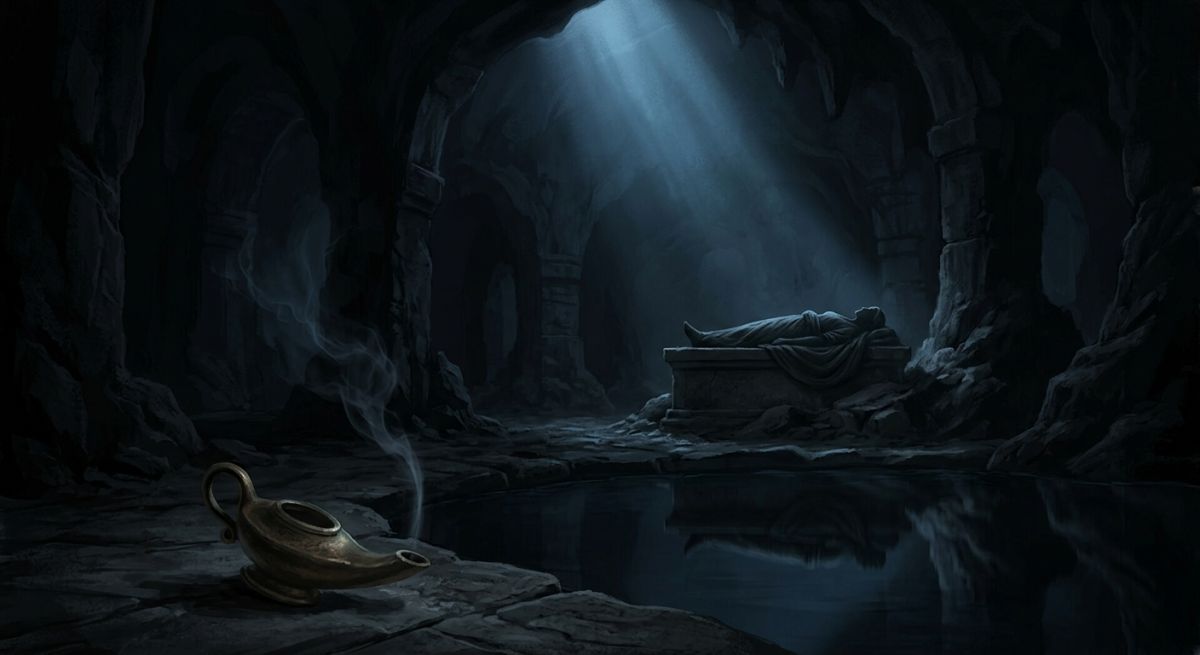
Sleep, Hope, and Resurrection: A Bible Study on the State of the Dead
Chapter: The Condition of the Dead
Lesson: Unconsciousness and Silence
Welcome, dear friends, to another journey into God's Word! Today, we're tackling a profound and often misunderstood topic: what happens to us when we die? It's a question that has puzzled humanity for millennia, touching on our deepest fears and greatest hopes. The Bible, however, provides clear and comforting answers, guiding us through the mystery with divine light. As we open its sacred pages, we'll discover that death, from God's perspective, is not an endless torment or an immediate transition to another realm of conscious activity, but rather a peaceful, unconscious rest—a sleep—awaiting the glorious morning of resurrection. Let's prayerfully explore what the Scriptures reveal about the condition of the dead.
The Dead Know Nothing
Our journey begins in the book of Ecclesiastes, where King Solomon, reflecting on life and death, offers a profound insight into the state of those who have passed away. He makes a direct comparison between the living and the dead, highlighting a fundamental difference in their experience.
For the living know that they shall die: but the dead know not any thing, neither have they any more a reward; for the memory of them is forgotten.
Ecclesiastes 9:5
This verse is remarkably straightforward. It tells us plainly that "the dead know not any thing." This isn't a poetic metaphor; it's a statement about their lack of awareness. When a person dies, their consciousness ceases. They are not aware of what is happening on earth, nor are they aware of their own state. Their thoughts, their plans, their memories—all come to a halt. The idea of "no more a reward" suggests that their earthly endeavors and their ability to receive recompense for them are over. In the grave, there is no more active participation in life's affairs, nor is there any awareness of such.
Their Thoughts Perish
The Old Testament further reinforces this concept of unconsciousness, particularly regarding the ability to think or plan after death. The psalmist, contemplating the brevity of life and the end of human existence, offers another powerful insight.
Put not your trust in princes, nor in the son of man, in whom there is no help. His breath goeth forth, he returneth to his earth; in that very day his thoughts perish.
Psalm 146:3-4
Here, the psalmist warns against placing ultimate trust in human leaders, reminding us of their mortality. The phrase "his breath goeth forth, he returneth to his earth" is a clear description of death—the cessation of life and the return to dust. The critical point for our study is the declaration, "in that very day his thoughts perish." This means that upon dying, a person's ability to think, reason, plan, or remember vanishes. There are no conscious thoughts, no active mental processes. The mind, as we know it, ceases its function. This aligns perfectly with Ecclesiastes 9:5, presenting a consistent picture from different inspired writers.
Silence in the Grave
Beyond the lack of knowledge and the perishing of thoughts, the Scriptures also describe the state of the dead as one of profound silence and inactivity. There is no active praise, no communication, no engagement with God or fellow beings from the grave. King David, in a plea to God, highlights this solemn truth.
For in death there is no remembrance of thee: in the grave who shall give thee thanks?
Psalm 6:5
David's words emphasize the inability of the dead to participate in worship or remembrance. If the dead were conscious and in heaven, they would surely be praising God. But David declares that in death, there is "no remembrance" of God in the sense of active, conscious worship, and "in the grave who shall give thee thanks?" This rhetorical question implies that no one in the grave is offering thanks because they are not conscious. The grave is a place of silence, where the active functions of life, including praise and worship, are suspended. This understanding helps us appreciate the preciousness of our time here on earth to serve and glorify God.
No More Love, Hatred, or Envy
Continuing in Ecclesiastes, Solomon further elaborates on the cessation of all earthly emotions and activities in death.
Also their love, and their hatred, and their envy, is now perished; neither have they any more a portion for ever in any thing that is done under the sun.
Ecclesiastes 9:6
This verse beautifully summarizes the complete cessation of all human emotional experience in death. "Their love, and their hatred, and their envy, is now perished." All the passions and sentiments that drive human interaction come to an end. Furthermore, they "neither have they any more a portion for ever in any thing that is done under the sun." This means they have no involvement, no interest, and no awareness of the events of the living world. The dead are truly at rest, undisturbed by the affairs of those still living. This paints a picture of complete separation from the conscious world, emphasizing a state of deep, unconscious sleep.
Awaiting the Resurrection
This biblical understanding of death as an unconscious sleep is crucial because it sets the stage for the glorious hope of the resurrection. If the dead were already in heaven, there would be no need for a resurrection. But the Bible consistently points to a future awakening.
But I would not have you to be ignorant, brethren, concerning them which are asleep, that ye sorrow not, even as others which have no hope.
1 Thessalonians 4:13
Here, the apostle Paul uses the term "asleep" to describe the dead, a common biblical metaphor for death, reinforcing the idea of unconscious rest. This sleep is not eternal, but a temporary state from which they will be awakened.
For if we believe that Jesus died and rose again, even so them also which sleep in Jesus will God bring with him.
1 Thessalonians 4:14
The hope lies in God bringing those who "sleep in Jesus" with Him, which points directly to the resurrection event. This is the great hope that counters sorrow and provides comfort.
For the Lord himself shall descend from heaven with a shout, with the voice of the archangel, and with the trump of God: and the dead in Christ shall rise first:
1 Thessalonians 4:16
This verse clearly describes a future event—the Second Coming of Jesus—when the "dead in Christ shall rise first." This rising implies an awakening from a state of unconsciousness, not a return from a conscious heavenly existence. It is the moment when the "sleepers" will hear the call and awaken to eternal life.
So when this corruptible shall have put on incorruption, and this mortal shall have put on immortality, then shall be brought to pass the saying that is written, Death is swallowed up in victory.
1 Corinthians 15:54
This transformation from corruptible to incorruptible, from mortal to immortal, occurs at the resurrection. It is then, and only then, that death is truly overcome, swallowed up in victory, as the unconscious sleep gives way to glorious, eternal life.
Reflection Questions:
- How does Ecclesiastes 9:5 challenge common ideas about what happens immediately after death? What comfort can you find in this understanding?
- Psalm 146:4 states that "in that very day his thoughts perish." What implications does this have for communication with the dead or their awareness of earthly events?
- Consider Psalm 6:5, "in the grave who shall give thee thanks?" How does this verse emphasize the cessation of active worship and praise in death?
- What is the significance of the Bible consistently referring to death as "sleep" (e.g., 1 Thessalonians 4:13)? How does this metaphor shape our understanding of the state of the dead?
- How does the biblical teaching on the unconscious state of the dead enhance your appreciation for the hope of the resurrection (1 Thessalonians 4:16, 1 Corinthians 15:54)?
Conclusion:
Today, we've carefully examined several powerful Bible passages that reveal a consistent truth: the dead are in a state of unconsciousness and silence. They "know not any thing," their "thoughts perish," and they cannot give thanks or participate in the affairs of the living. This isn't a bleak picture, but a comforting one, as it portrays death as a peaceful sleep, a temporary rest from all earthly toils and sorrows. This profound biblical truth prepares our hearts for the glorious hope of the resurrection, when at Christ's return, all who sleep in Jesus will awaken to eternal life. Until then, we rest in the assurance that our loved ones who have passed away are safely resting in God's memory, awaiting the call of the Lifegiver.