
What is Man? The Nature of Human Beings • ~10 min read
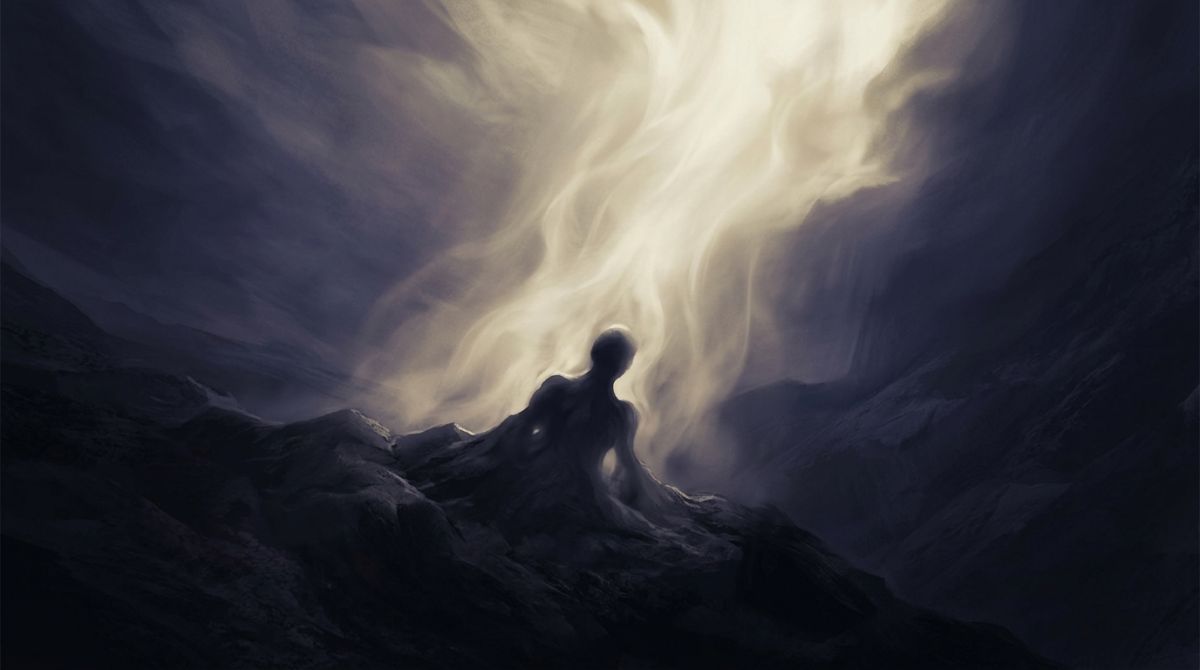
Welcome to our study on "The Breath of Life." Have you ever considered what truly makes a living being "alive"? What is that mysterious element that animates our bodies, allowing us to think, feel, and move? The Bible offers profound insights into this very question, revealing that life itself is a precious gift from our Creator. Today, we'll explore the divine spark that animates us and what happens when that spark is withdrawn, drawing directly from God's inspired Word.
Our journey begins in the book of Genesis, where we witness the very moment humanity came into existence. God didn't just form the body; He imparted life in a unique and special way.
And the LORD God formed man of the dust of the ground, and breathed into his nostrils the breath of life; and man became a living soul.
Genesis 2:7
This verse is foundational to understanding human nature. Notice two distinct components: the "dust of the ground" referring to the physical body, and the "breath of life" which God Himself breathed into that form. It was the combination of these two elements that resulted in "a living soul." The Hebrew word for "breath" here is neshamah, often associated with the vital breath, the animating force. It's not just air; it's the very power of life from God.
For in him we live, and move, and have our being; as certain also of your own poets have said, For we are also his offspring.
Acts 17:28
This New Testament passage echoes the Genesis account, emphasizing that our very existence, our ability to live and move, is sustained by God. Life is not inherent in us; it is a continuous gift.
This "breath of life" is not a one-time event at creation; it is what sustains us throughout our lives. The Bible speaks of this breath as being the very essence of our physical existence.
All the while my breath is in me, and the spirit of God is in my nostrils;
Job 27:3
Job, in his deep distress, understood that his very breath, his life force, was a direct gift from God. The phrase "spirit of God" here (ruach Eloah) is often used interchangeably with "breath" (neshamah) in Hebrew, both pointing to the divine animating power. It's what keeps us alive, moment by moment.
The spirit of God hath made me, and the breath of the Almighty hath given me life.
Job 33:4
Elihu, another speaker in the book of Job, reinforces this truth. He clearly states that the "breath of the Almighty" is what gives him life. This breath is not an independent entity that can exist apart from the body and continue to live; rather, it is the divine energy that animates the physical form.
What happens, then, when this divine breath is withdrawn? The Bible is clear that without it, the body returns to its original components.
For as the body without the spirit is dead, so faith without works is dead also.
James 2:26
While James uses this analogy to speak about faith and works, it perfectly illustrates our point about the "breath of life." The "spirit" (pneuma in Greek, akin to neshamah or ruach in Hebrew) here refers to the animating principle. A body without this animating principle is unequivocally "dead." There is no other state described; the body ceases to function, and life departs.
Then shall the dust return to the earth as it was: and the spirit shall return unto God who gave it.
Ecclesiastes 12:7
This verse beautifully summarizes the process. The physical body, made from "dust," returns to dust. And the "spirit" (ruach), the breath of life given by God, returns to God who gave it. It doesn't suggest that this "spirit" becomes a conscious entity existing independently. Rather, it signifies the cessation of life and the return of the life-giving power to its divine source.
For that which befalleth the sons of men befalleth beasts; even one thing befalleth them: as the one dieth, so dieth the other; yea, they have all one breath; so that a man hath no preeminence above a beast: for all is vanity.
Ecclesiastes 3:19
This passage further clarifies that the "breath" (ruach) that animates humans is the same life principle that animates animals. When this breath is withdrawn, both humans and animals experience the same cessation of life. This emphasizes that the "breath of life" is not an immortal soul, but rather the vital force that sustains physical existence.
Thou hidest thy face, they are troubled: thou takest away their breath, they die, and return to their dust.
Psalm 104:29
Here, the psalmist attributes the cessation of life directly to God taking away "their breath" (ruach). The immediate result is death and a return to dust. This reinforces the idea that life is maintained by God's continuous giving of breath, and death occurs when He withdraws it.
Our study today has shown us a profound truth: life itself is a divine gift. The "breath of life" is not an immortal part of us that lives on independently after death. Instead, it is the animating power from God that brings a physical body to life, making it a "living soul." When this breath is withdrawn, the body returns to dust, and life ceases. This understanding helps us appreciate the preciousness of life and the absolute power of God, who alone is the source and sustainer of all existence.