
The Biblical Definition of Death • ~10 min read
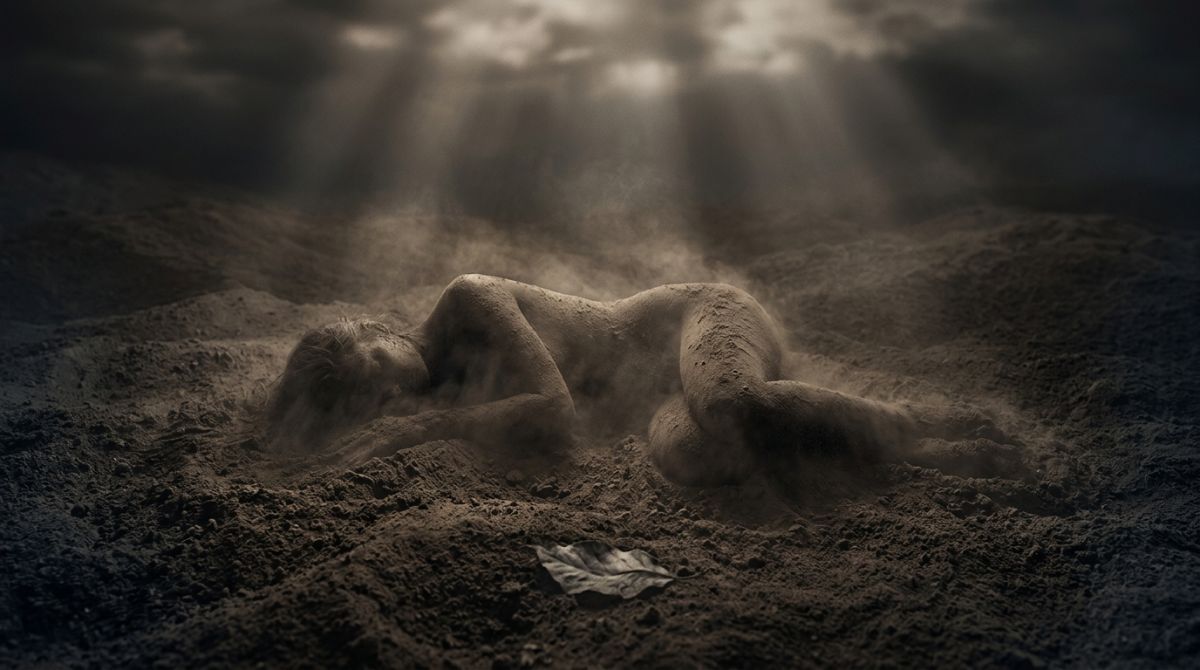
Welcome, dear friends, to our study on the biblical understanding of death. This is a topic that touches every human heart, for death is a universal experience. While it can seem mysterious and frightening, God's Word offers clear and comforting truth about what happens when life ceases. Today, we'll explore a foundational aspect of this truth: that at death, our physical bodies return to the dust from which they came, and the breath of life returns to God, its Giver. Understanding this helps us grasp the Bible's consistent message about the state of the dead and the glorious hope of the resurrection.
Our journey begins in the very early chapters of Genesis, where God reveals the origin of humanity. We learn that humankind was not created from pre-existing heavenly matter, but from the earth itself:
And the LORD God formed man of the dust of the ground, and breathed into his nostrils the breath of life; and man became a living soul.
Genesis 2:7
This verse beautifully describes the two components that make up a living human being: the physical body (from the dust) and the breath of life (from God). When these two elements unite, a "living soul" or living being is formed. It's not that we have a soul, but that we are a living soul. Tragically, humanity's rebellion against God introduced sin, and with sin, came the consequence of death. God plainly declared this consequence to Adam:
In the sweat of thy face shalt thou eat bread, till thou return unto the ground; for out of it wast thou taken: for dust thou art, and unto dust shalt thou return.
Genesis 3:19
Here, God reiterates the origin of our physical being and declares its ultimate destiny. Death, in this sense, is a reversal of creation. The body, fashioned from dust, returns to dust. This isn't just a poetic statement; it's a profound biological and spiritual truth. Our physical bodies decompose and reintegrate with the earth. The psalmist echoes this truth:
Thou hidest thy face, they are troubled: thou takest away their breath, they die, and return to their dust.
Psalm 104:29
This passage clearly links the withdrawal of life with the body's return to dust. It's a natural, inevitable process for all living things.
While the body returns to the earth, what happens to "the breath of life" that God originally imparted? The wise man Solomon addresses this in the book of Ecclesiastes, providing a concise summary of what happens at death:
Then shall the dust return to the earth as it was: and the spirit shall return unto God who gave it.
Ecclesiastes 12:7
This verse perfectly complements Genesis 3:19. The "dust" (the body) returns "to the earth as it was." And the "spirit" (which is the Hebrew word ruach, meaning breath, wind, or life principle) returns "unto God who gave it." It's crucial to understand that this "spirit" is not presented here as a conscious entity that travels to heaven or hell upon death. Instead, it's the life force, the spark of life, the breath that animates the body. When God withdraws this breath, life ceases.
Consider Job's profound words about God's power over life:
If he set his heart upon man, if he gather unto himself his spirit and his breath; All flesh shall perish together, and man shall turn again unto dust.
Job 34:14-15
This reinforces the idea that life is entirely dependent on God. When He "gathers unto himself His spirit and His breath," the physical body perishes and returns to dust. There is no indication of an independent, conscious "spirit" continuing to live apart from the body. Instead, it speaks of the cessation of life itself.
Another powerful verse from the Psalms further clarifies the state of the dead:
His breath goeth forth, he returneth to his earth; in that very day his thoughts perish.
Psalm 146:4
This text is incredibly direct. When a person's "breath goeth forth" and they "return to his earth" (the dust), their "thoughts perish." This indicates a complete cessation of conscious activity, thought, and awareness. It aligns perfectly with the understanding that the "spirit" or "breath of life" returning to God signifies the end of life, not the beginning of a disembodied conscious existence.
The Bible's definition of death is clear and consistent: it is a cessation of life, a reversal of creation. The physical body, formed from the dust of the ground, returns to that dust. The breath of life, imparted by God, returns to God, its divine source. This means that at death, there is no conscious activity, no thoughts, no awareness. The individual ceases to exist as a living, thinking being until God's appointed time for resurrection. This understanding lays a vital foundation for appreciating the true hope offered in Scripture: not an immediate journey to heaven, but a future awakening from the "sleep" of death through the power of our Creator and Redeemer.