
The Origin of Life and the Entrance of Death • ~10 min read
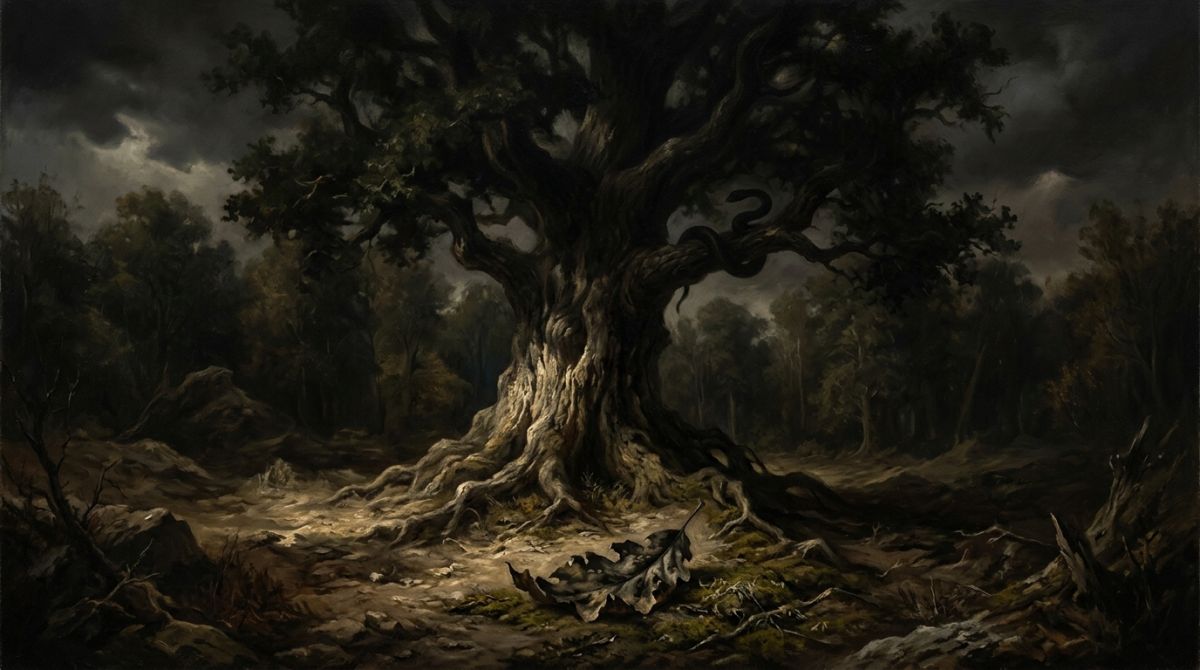
In our last study, we explored the incredible truth that God is the giver of life, breathing vitality into humanity. Today, we turn our attention to a pivotal moment in human history—the entrance of sin and its profound, lasting consequences. This event dramatically altered humanity's original destiny, introducing a concept that was foreign to God's perfect creation: death. Understanding this foundational truth is essential for grasping the depth of God's plan of salvation and the hope of the resurrection.
When God created Adam and Eve, He placed them in a beautiful garden, providing abundantly for their needs. However, with this freedom and provision came a crucial instruction—a test of their loyalty and trust. God gave them a clear command, accompanied by an equally clear warning:
And the LORD God commanded the man, saying, Of every tree of the garden thou mayest freely eat:
Genesis 2:16-17
But of the tree of the knowledge of good and evil, thou shalt not eat of it: for in the day that thou eatest thereof thou shalt surely die.
This command was simple, yet profound. It established God's authority and humanity's responsibility. The warning, "thou shalt surely die," was a direct declaration of the consequence of disobedience. It wasn't an arbitrary punishment, but the natural outcome of choosing a path contrary to the source of life itself. God, who is life, had warned them that separation from Him would lead to death.
Tragically, humanity chose to disregard God's clear instruction. Seduced by temptation, Adam and Eve disobeyed the divine command.
And when the woman saw that the tree was good for food, and that it was pleasant to the eyes, and a tree to be desired to make one wise, she took of the fruit thereof, and did eat, and gave also unto her husband with her; and he did eat.
Genesis 3:6
This act of disobedience, often referred to as the first sin, had immediate and devastating effects. It severed their perfect relationship with God and introduced a new, destructive force into the world. The apostle Paul eloquently explains the far-reaching impact of this single act:
Wherefore, as by one man sin entered into the world, and death by sin; and so death passed upon all men, for that all have sinned:
Romans 5:12
Here, we see the direct link: sin entered through one man (Adam), and with sin came death. This isn't just about Adam's personal experience; it's about a universal consequence that "passed upon all men." The very nature of humanity was changed, inheriting a propensity to sin and, as a result, the inevitability of death.
The moment Adam and Eve sinned, their relationship with God was broken. Instead of joyfully meeting with Him, they hid:
And they heard the voice of the LORD God walking in the garden in the cool of the day: and Adam and his wife hid themselves from the presence of the LORD God amongst the trees of the garden.
Genesis 3:8
This spiritual separation was an immediate consequence. God also pronounced a curse upon the ground and on human existence, transforming their ideal environment and easy living into a struggle:
And unto Adam he said, Because thou hast hearkened unto the voice of thy wife, and hast eaten of the tree, of which I commanded thee, saying, Thou shalt not eat of it: cursed is the ground for thy sake; in sorrow shalt thou eat of it all the days of thy life;
Genesis 3:17
The perfect harmony of creation was shattered, and the ease of existence was replaced with toil and hardship. They were also expelled from the Garden of Eden, cut off from the tree of life, further cementing their separation from God's presence and the source of eternal life:
Therefore the LORD God sent him forth from the garden of Eden, to till the ground from whence he was taken.
Genesis 3:23-24
So he drove out the man; and he placed at the east of the garden of Eden Cherubims, and a flaming sword which turned every way, to keep the way of the tree of life.
The warning in Genesis 2:17—"thou shalt surely die"—began to unfold in various ways, culminating in physical death. God directly addressed this ultimate consequence to Adam:
In the sweat of thy face shalt thou eat bread, till thou return unto the ground; for out of it wast thou taken: for dust thou art, and unto dust shalt thou return.
Genesis 3:19
This verse is a profound statement about the human condition after sin. Our bodies, formed from the dust of the ground, are destined to return to dust. This physical death is the ultimate manifestation of the separation from God, the Giver of life. The perfect, immortal existence originally intended for humanity was lost. Sin brought about the end of physical life, a stark reminder that "the wages of sin is death" (Romans 6:23). As another passage states, "it is appointed unto men once to die" (Hebrews 9:27).
The story of the first sin is not merely an ancient tale; it's the explanation for the human condition we all experience. Because of that first act of disobedience, sin became a universal reality, and death became humanity's universal experience. The Bible confirms this:
For since by man came death, by man came also the resurrection of the dead.
1 Corinthians 15:21
This verse powerfully summarizes the origin of death through human sin. It also hints at the incredible hope that counters this grim reality—the resurrection, which we will explore in future lessons. But for now, it's crucial to understand that our present state, marked by sickness, suffering, and ultimately death, is a direct result of sin's entrance into the world.
The first sin was a catastrophic event that irrevocably changed humanity's destiny. Disobedience to God's clear command introduced sin and death into a perfect world. This led to immediate spiritual separation from God, the curse upon creation, expulsion from Eden, and ultimately, the decree of physical death. The consequence of that single act of rebellion continues to affect every human being, making death a universal experience. However, even in this somber truth, the Bible foreshadows a greater hope—a hope made possible by another "man" who came to undo the effects of the first sin.