
The Biblical Definition of Death • ~10 min read
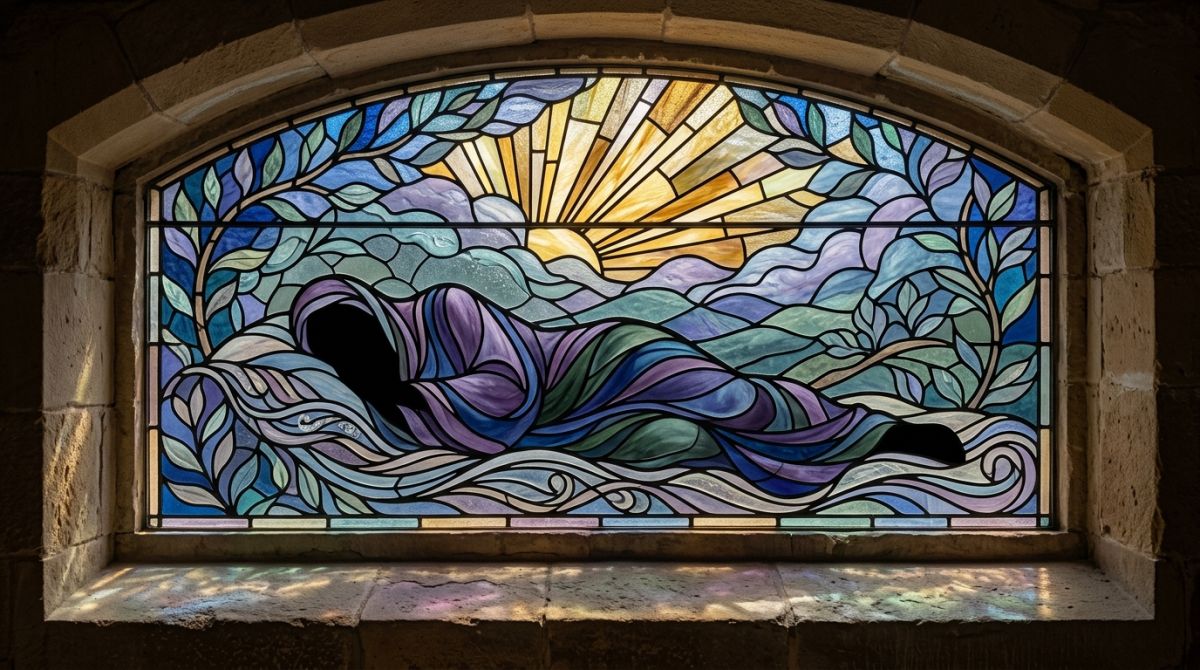
Welcome to our study on the state of the dead, a topic that brings both comfort and clarity when viewed through the lens of God's Word. Today, we're focusing on one of the Bible's most frequent and tender metaphors for death: sleep. This beautiful imagery helps us understand not only what happens when someone dies, but also the hope we have for the future. As we explore this concept, we'll see that the Bible consistently portrays death as a temporary, unconscious rest, awaiting an awakening.
Perhaps the most poignant example of death being referred to as sleep comes from the lips of Jesus Himself, in the story of Lazarus. When His friend Lazarus fell ill and died, Jesus used this metaphor to explain the situation to His disciples:
11 These things said he: and after that he saith unto them, Our friend Lazarus sleepeth; but I go, that I may awake him out of sleep.
12 Then said his disciples, Lord, if he sleep, he shall do well.
13 Howbeit Jesus spake of his death: but they thought that he had spoken of taking of rest in sleep.
14 Then said Jesus unto them plainly, Lazarus is dead.
John 11:11-14
Notice the immediate misunderstanding. The disciples, like many of us, initially interpreted "sleep" in its common sense – a refreshing rest. But Jesus quickly clarified that He was speaking of Lazarus's death. This direct explanation from Jesus teaches us a profound truth: death, for a believer, is a state akin to sleep. It implies unconsciousness, a cessation of activity, and a temporary condition from which one can be awakened. Just as we awaken from a night's sleep, those who "sleep" in death await an awakening at the call of the Lifegiver.
Jesus further reinforced this hope to Martha, Lazarus's sister:
23 Jesus saith unto her, Thy brother shall rise again.
24 Martha saith unto him, I know that he shall rise again in the resurrection at the last day.
25 Jesus said unto her, I am the resurrection, and the life: he that believeth in me, though he were dead, yet shall he live:
John 11:23-25
Here, Jesus directly connects the "sleep" of death with the promise of resurrection, emphasizing that His power is the key to that awakening.
The concept of death as sleep isn't exclusive to the New Testament. The Old Testament also uses this imagery, pointing forward to a future resurrection. The prophet Daniel describes a time when many will awaken from their slumber:
2 And many of them that sleep in the dust of the earth shall awake, some to everlasting life, and some to shame and everlasting contempt.
Daniel 12:2
This verse beautifully illustrates the idea that death is a temporary state, a "sleep in the dust of the earth," from which people will eventually "awake." It highlights that this awakening is not uniform; some will rise to eternal life, while others will face judgment. The key takeaway here is the state of unconscious rest until that appointed time of awakening.
Even King David, in his plea to God, uses this metaphor:
3 Consider and hear me, O LORD my God: lighten mine eyes, lest I sleep the sleep of death;
Psalm 13:3
David understood death as a profound "sleep," a state from which he prayed to be spared, at least in its finality, by God's sustaining hand.
The apostle Paul frequently used the metaphor of sleep to bring comfort to believers grieving the loss of loved ones. He wanted to assure them that death was not the end, but a temporary state before Christ's return:
13 But I would not have you to be ignorant, brethren, concerning them which are asleep, that ye sorrow not, even as others which have no hope.
14 For if we believe that Jesus died and rose again, even so them also which sleep in Jesus will God bring with him.
1 Thessalonians 4:13-14
Paul's words are a powerful source of hope. He explicitly calls those who have died "asleep," contrasting their situation with "others which have no hope." The hope lies in the resurrection, mirroring Christ's own death and resurrection. Those who "sleep in Jesus" are not lost or conscious in another realm; they are resting, awaiting the glorious day when God will bring them forth with Him. This understanding removes the fear and despair often associated with death, replacing it with the peaceful assurance of a future awakening.
Paul reinforces this hope elsewhere, stating:
51 Behold, I shew you a mystery; We shall not all sleep, but we shall all be changed,
1 Corinthians 15:51
Again, "sleep" is used synonymously with death, emphasizing that for believers, it is a state from which we will be changed – resurrected – at Christ's coming.
Throughout Scripture, the consistent use of "sleep" to describe death provides a clear and comforting picture. It indicates a state of unconscious rest, a peaceful slumber from which there will be an awakening. Just as a sleeping person is unaware of the passage of time or the events around them, those who have died are resting, awaiting the call of their Savior. This biblical truth offers profound comfort, assuring us that our loved ones who "sleep in Jesus" are safe in His care, awaiting the glorious resurrection day when they will be awakened to everlasting life.