
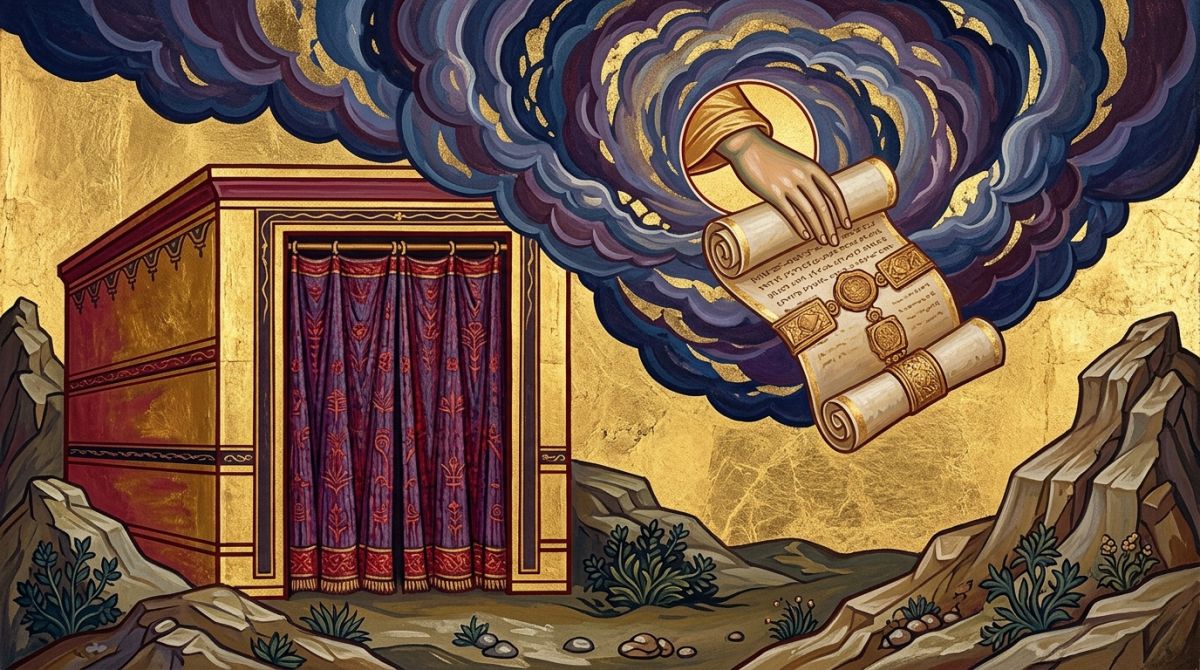
The Sanctuary and the Time Prophecy Introduced
Welcome back to our study in the book of Daniel! As we continue our journey through the prophetic visions, we arrive at a pivotal moment in Daniel chapter 8. This vision, rich with symbolism, not only foretells the rise and fall of earthly powers but also introduces a profound concept that is central to God's eternal plan: the sanctuary. Today, we'll focus on the concluding part of Daniel's vision, where a question arises about the defiled sanctuary and a specific period of time for its cleansing. This introduces us to one of the most significant time prophecies in all of Scripture and sets the stage for a deeper understanding of God's work for humanity.
A Perplexing Question and a Divine Answer
After witnessing the symbolic ram, goat, and the challenging little horn power, Daniel hears a conversation that shifts the focus from earthly kingdoms to heavenly matters. This dialogue reveals the true scope of the vision.
Then I heard one saint speaking, and another saint said unto that certain saint which spake, How long shall be the vision concerning the daily sacrifice, and the transgression of desolation, to give both the sanctuary and the host to be trodden under foot?
Daniel 8:13
Imagine Daniel, overwhelmed by the visions of conflict and desolation, then hearing this profound question from a heavenly being. The question isn't just about the duration of the "daily sacrifice" or the "transgression of desolation" but specifically asks how long the sanctuary and God's people ("the host") would be subjected to being "trodden under foot." This implies a period of defilement or desecration that needs to be addressed.
The answer to this urgent question is given immediately:
And he said unto me, Unto two thousand and three hundred days; then shall the sanctuary be cleansed.
Daniel 8:14
This verse is the cornerstone of our study today. It introduces the 2300-day prophecy, a specific period of time at the end of which a significant event will occur: "then shall the sanctuary be cleansed." This cleansing of the sanctuary is not a trivial matter; it's the divine solution to the "transgression of desolation" and the "trodding under foot" of the sanctuary and the host. Understanding what this sanctuary is, and what its cleansing entails, is crucial to grasping God's plan.
Understanding the Sanctuary
When we read about the "sanctuary" in the Bible, our minds might first go to the earthly tabernacle built by Moses or Solomon's temple. While these were indeed sanctuaries, they were types and shadows, earthly copies of a greater reality. The New Testament makes this clear:
Now of the things which we have spoken this is the sum: We have such an high priest, who is set on the right hand of the throne of the Majesty in the heavens;
A minister of the sanctuary, and of the true tabernacle, which the Lord pitched, and not man.
Hebrews 8:1-2
Here, the book of Hebrews points us to a "true tabernacle" or "sanctuary" in heaven, which the Lord Himself pitched, not man. This is where Jesus, our High Priest, ministers. The earthly sanctuary system, with its sacrifices and services, was a divinely appointed object lesson, designed to teach humanity about God's plan of salvation and the work of Christ. It foreshadowed the heavenly reality.
Thy way, O God, is in the sanctuary: who is so great a God as our God?
Psalm 77:13
This verse from Psalms beautifully declares that God's "way" – His character, His methods, His plan of salvation – is revealed in the sanctuary. It is through the sanctuary services, both earthly and heavenly, that we understand how God deals with sin, provides forgiveness, and ultimately cleanses His people and His universe from the presence and effects of evil.
The Cleansing of the Heavenly Sanctuary
If the earthly sanctuary needed cleansing on the Day of Atonement, a yearly service (Leviticus 16), it stands to reason that the heavenly sanctuary also has a "cleansing" or a final work of atonement. The book of Hebrews explains that the earthly sanctuary was cleansed with the blood of animals, but the heavenly sanctuary requires a "better sacrifice":
For Christ is not entered into the holy places made with hands, which are the figures of the true; but into heaven itself, now to appear in the presence of God for us:
Nor yet that he should offer himself often, as the high priest entereth into the holy place every year with blood of others;
For then must he often have suffered since the foundation of the world: but now once in the end of the world hath he appeared to put away sin by the sacrifice of himself.
Hebrews 9:24-26
Jesus' sacrifice on the cross was a once-for-all event. His ministry in the heavenly sanctuary, however, is ongoing. Just as the earthly Day of Atonement involved a solemn work of judgment and cleansing, so the heavenly "cleansing of the sanctuary" implies a final work of judgment, where the records of sin are dealt with and the universe is forever rid of the stain of sin. This is a crucial phase in God's plan of salvation, marking the culmination of Christ's priestly ministry before His return.
And for this cause he is the mediator of the new testament, that by means of death, for the redemption of the transgressions that were under the first testament, they which are called might receive the promise of eternal inheritance.
Hebrews 9:15
Christ's work in the heavenly sanctuary ensures that all who accept His sacrifice receive the promise of eternal inheritance. The cleansing of the sanctuary, therefore, is not merely about a physical place, but about the vindication of God's character and the final settlement of the sin problem.
Reflection Questions
- Read Daniel 8:13-14 again. What feelings or questions do you think Daniel might have had after hearing about the 2300 days and the cleansing of the sanctuary?
- How does Hebrews 8:1-2 deepen your understanding of the "sanctuary" mentioned in Daniel 8:14? What is the significance of Jesus ministering in a sanctuary "which the Lord pitched, and not man"?
- Psalm 77:13 states, "Thy way, O God, is in the sanctuary." In what ways do the sanctuary services (both earthly and heavenly) reveal God's character and His "way" of salvation?
- What does the concept of a "cleansing" of the heavenly sanctuary imply about God's final work in dealing with sin and the records of humanity? (Consider also Revelation 20:12 and Revelation 22:12).
- How does understanding the heavenly sanctuary and Christ's ministry there give you assurance regarding your salvation?
Conclusion
The vision of Daniel 8, particularly the exchange in verses 13 and 14, introduces us to a profound truth: a specific period of 2300 prophetic days, culminating in the cleansing of the heavenly sanctuary. This is not just about a building but about God's ultimate plan to address sin and restore harmony to the universe. We've seen that the sanctuary is central to God's "way" (Psalm 77:13) and that Christ Himself ministers in the true, heavenly sanctuary (Hebrews 8:1-2). This cleansing signifies a final work of judgment and atonement, ensuring that all who are faithful are forever secured in God's kingdom. As we move forward in our studies, we will uncover more about the timing of this prophecy and its immense significance for us today.