
The Heavenly Sanctuary and Its Cleansing • ~10 min read
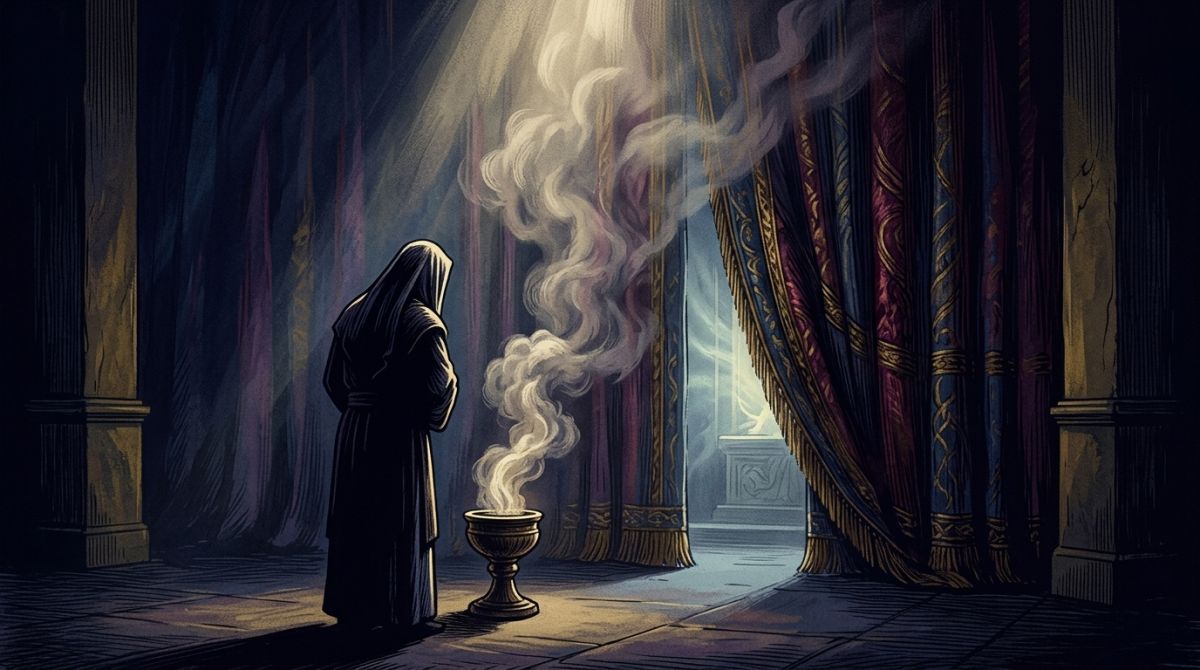
Welcome back to our study as we continue to unveil God's timeless plan! Today, we're diving into one of the most solemn and significant days in ancient Israel's calendar: the Day of Atonement. This special day, known as Yom Kippur, wasn't just another feast; it was a profound ritual designed by God to teach His people about the serious nature of sin, the necessity of atonement, and His glorious plan for ultimate cleansing. As we explore its details, we'll see how this earthly shadow pointed forward to a far greater, final work of atonement performed by our High Priest, Jesus Christ, in the heavenly sanctuary.
Imagine a day unlike any other in Israel, a day of deep introspection and humility. God commanded His people to observe this day with utmost seriousness. It was a time for individual and corporate spiritual cleansing.
And this shall be a statute for ever unto you: that in the seventh month, on the tenth day of the month, ye shall afflict your souls, and do no work at all, whether it be one of your own country, or a stranger that sojourneth among you:
Leviticus 16:29-30
For on that day shall the priest make an atonement for you, to cleanse you, that ye may be clean from all your sins before the LORD.
The phrase "afflict your souls" meant fasting, repentance, and a deep sense of humility before God. It was a recognition of their sinfulness and their absolute dependence on God's provision for forgiveness and cleansing. The very purpose of this day was for atonement, to cleanse the people from all their sins. This wasn't merely a symbolic ritual; it was a divinely ordained process to restore their relationship with a holy God. Without this annual cleansing, the burden of unconfessed and unatoned sin would continue to separate them from the Lord.
On this day, the high priest performed a series of intricate rituals, entering the most sacred part of the sanctuary, the Most Holy Place, which he was forbidden to enter on any other occasion. His work was crucial, not just for the people, but for the sanctuary itself.
And he shall make an atonement for the holy sanctuary, and he shall make an atonement for the tabernacle of the congregation, and for the altar, and he shall make an atonement for the priests, and for all the people of the congregation.
Leviticus 16:33-34
And this shall be an everlasting statute unto you, to make an atonement for the children of Israel for all their sins once a year. And he did as the LORD commanded Moses.
Notice the comprehensive nature of this atonement. It wasn't just for the individuals, but for the sanctuary, the tabernacle, and the altar. How could a holy God dwell among a sinful people? As sins were confessed throughout the year, they were symbolically transferred to the sanctuary through the blood of sacrifices. The Day of Atonement was the annual, solemn occasion when the sanctuary itself was cleansed of these accumulated defilements. It was a day of judgment where the community's standing with God was affirmed through the atoning work.
The earthly Day of Atonement, with its elaborate rituals and animal sacrifices, was a powerful object lesson, a "shadow" pointing to the ultimate reality of Christ's work. The New Testament reveals that Jesus is the fulfillment of all these types and shadows.
For the law having a shadow of good things to come, and not the very image of the things, can never with those sacrifices which they offered year by year continually make the comers thereunto perfect.
Hebrews 10:1
The yearly repetition of the earthly Day of Atonement showed that its work was not final. But Christ's sacrifice was different. It was a "once for all" event that achieved eternal redemption.
But Christ being come an high priest of good things to come, by a greater and more perfect tabernacle, not made with hands, that is to say, not of this building;
Hebrews 9:11-12
Neither by the blood of goats and calves, but by his own blood he entered in once into the holy place, having obtained eternal redemption for us.
Jesus, our High Priest, entered the heavenly sanctuary with His own blood, providing the perfect and complete atonement for our sins. He is the ultimate "propitiation" – the means by which God's righteous wrath against sin is satisfied, making forgiveness possible.
Whom God hath set forth to be a propitiation through faith in his blood, to declare his righteousness for the remission of sins that are past, through the forbearance of God;
Romans 3:25-26
To declare, I say, at this time his righteousness: that he might be just, and the justifier of him which believeth in Jesus.
Through Christ's death on the cross, God demonstrated His perfect righteousness. He is just, meaning He must punish sin, but He is also the Justifier, meaning He can declare righteous those who believe in Jesus. The shedding of blood was always necessary for the remission of sins, both in the shadow and in the reality:
And almost all things are by the law purged with blood; and without shedding of blood is no remission.
Hebrews 9:22
Christ's sacrifice provides the perfect, once-for-all cleansing that the earthly rituals could only foreshadow. His work in heaven is the fulfillment of the Day of Atonement, dealing with sin comprehensively and eternally.
Which are a shadow of things to come; but the body is of Christ.
Colossians 2:17
The earthly Day of Atonement was a dramatic, annual representation of God's plan to ultimately rid the universe of sin and restore perfect harmony. It pointed forward to the final phase of Christ's atoning work in the heavenly sanctuary, where He applies the merits of His sacrifice to finally and completely remove the stain and record of sin.
By the which will we are sanctified through the offering of the body of Jesus Christ once for all.
Hebrews 10:10
For by one offering he hath perfected for ever them that are sanctified.
Hebrews 10:14
The earthly Day of Atonement was a profound and solemn annual event in ancient Israel, a day of judgment and cleansing from sin. Every aspect of its intricate ritual, from the "afflicting of souls" to the high priest's comprehensive work of atonement for the sanctuary and the people, served as a powerful prophecy. It pointed forward to a greater, final work of atonement in heaven, where Jesus Christ, our perfect High Priest, entered with His own shed blood. Through His sacrifice, He became the ultimate propitiation for our sins, demonstrating God's righteousness and providing eternal redemption. The shadows of the past now find their glorious fulfillment in the ongoing, perfecting work of our Savior in the heavenly sanctuary, assuring us of complete cleansing and reconciliation with God.