
What is Grace?
Discovering God's Amazing Grace • ~6 min read
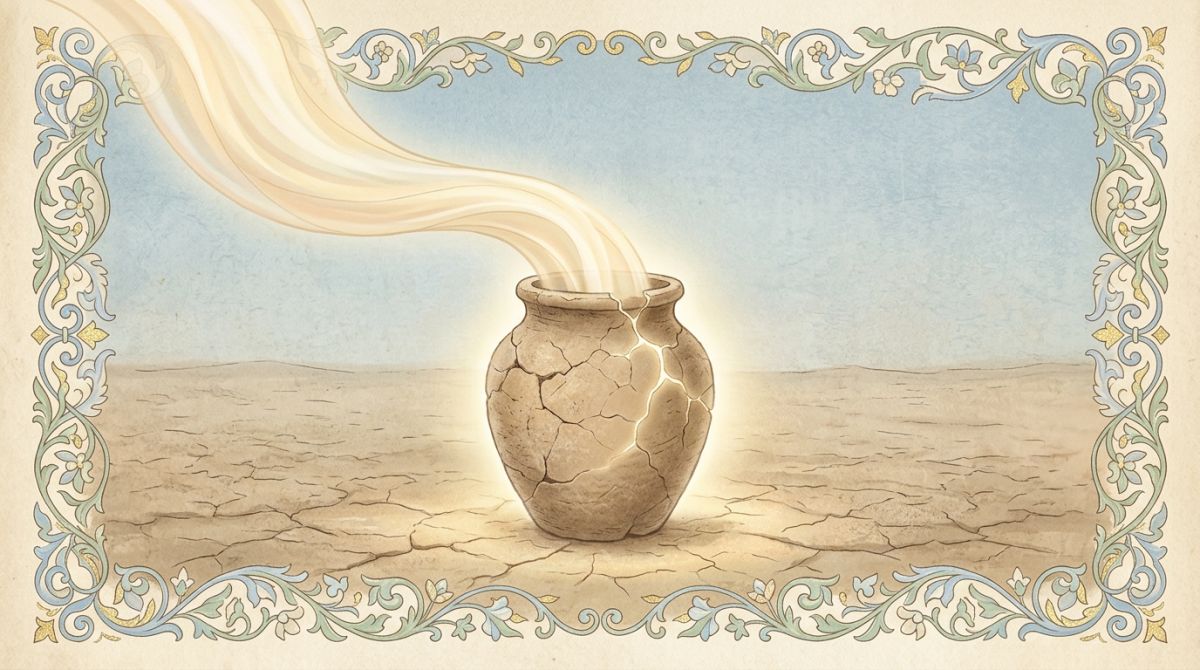
Discovering God's Amazing Grace: What is Grace?
Welcome, dear friends, to the beginning of a truly profound journey! We're embarking on a study of God's amazing grace, a concept so central to our faith that without it, our understanding of God and salvation would be incomplete. Grace is more than just a theological term; it's the very heartbeat of God's character, the foundation of our hope, and the power for our transformation. As we delve into "What is Grace?", prepare to have your heart stirred by the boundless love and generosity of our Heavenly Father.
Grace: God's Unmerited Favor
Perhaps the most common and foundational definition of grace is "unmerited favor." This means it's a gift we receive from God, not something we earn or deserve through our own actions, good works, or efforts. Imagine receiving a magnificent present simply because someone loves you, not because you did anything to merit it. That's a glimpse into God's grace.
For by grace are ye saved through faith; and that not of yourselves: it is the gift of God: Not of works, lest any man should boast.
Ephesians 2:8-9
These verses make it abundantly clear: salvation is a gift of God's grace, received through faith. It is not a reward for our good deeds. If we could earn it, we would have reason to boast, but God's plan ensures that all glory goes to Him. Our human nature often wants to contribute, to feel worthy, but grace reminds us that our worthiness comes solely from Christ.
For all have sinned, and come short of the glory of God; Being justified freely by his grace through the redemption that is in Christ Jesus:
Romans 3:23-24
Here, the Bible paints a clear picture of our human condition: we have all fallen short. Yet, in the very next breath, it declares that we are "justified freely by his grace." To be justified means to be declared righteous, as if we had never sinned. This incredible act is a free gift, made possible through the redemption found in Jesus Christ, entirely apart from our own merit.
Grace: God's Initiative and Provision
Grace is not a response to our goodness; it's God's proactive move toward us. He initiates, He provides, and He makes a way where there was no way. Before we even thought of Him, He was thinking of us, planning our salvation.
But God commendeth his love toward us, in that, while we were yet sinners, Christ died for us.
Romans 5:8
What an astonishing display of grace! While we were still in rebellion, still lost in sin, God demonstrated His love by sending Christ to die for us. This wasn't a last-minute rescue plan; it was part of His eternal purpose.
For the grace of God that bringeth salvation hath appeared to all men,
Titus 2:11
Grace isn't reserved for a select few; it "hath appeared to all men." God's offer of salvation through grace is universal, extended to everyone. It's His open invitation to humanity, a testament to His desire that none should perish.
Grace: More Than Just Forgiveness – It's Transforming Power
While grace certainly includes forgiveness and salvation, it doesn't stop there. God's grace is also an active, empowering force that transforms our lives, enabling us to live righteously and grow in Christlikeness. It's not just a pardon for past sins, but power for future living.
Teaching us that, denying ungodliness and worldly lusts, we should live soberly, righteously, and godly, in this present world;
Titus 2:12
Notice that the grace that brings salvation also "teaches us." It's an active instructor, guiding us away from ungodliness and worldly desires, and empowering us to live a life that reflects God's character – soberly, righteously, and godly. This is the practical, daily working of grace in the believer's life.
Therefore if any man be in Christ, he is a new creature: old things are passed away; behold, all things are become new.
2 Corinthians 5:17
This verse beautifully captures the transformative power of grace. When we accept Christ's gift, we become "new creatures." The old life of sin and self-centeredness gives way to a new life empowered by God's Spirit, guided by His grace. This transformation is not something we conjure up ourselves; it's a work of grace.
Grace: A Constant Supply for Daily Living
Grace isn't a one-time event; it's a continuous supply, available to us every moment of every day. We need God's grace to face temptations, to endure trials, to serve others, and to simply live a life pleasing to Him.
Let us therefore come boldly unto the throne of grace, that we may obtain mercy, and find grace to help in time of need.
Hebrews 4:16
What a wonderful invitation! We are encouraged to approach God's "throne of grace" with boldness, knowing that we will find both mercy and "grace to help in time of need." This promise assures us that no matter what challenges we face, God's grace is sufficient and readily available.
And he said unto me, My grace is sufficient for thee: for my strength is made perfect in weakness. Most gladly therefore will I rather glory in my infirmities, that the power of Christ may rest upon me.
2 Corinthians 12:9
Here, the Apostle Paul shares a personal revelation from the Lord: God's grace is sufficient, especially in our moments of weakness. When we are weak, His strength is made perfect. This means we don't have to rely on our own limited abilities, but on the limitless power of God's grace working through us.
Summary
In essence, grace is God's amazing, unmerited favor shown to us through Jesus Christ. It's His proactive love that offers salvation, forgiveness, and justification, not based on anything we've done, but purely on His character and Christ's sacrifice. Furthermore, grace is a dynamic, transforming power that empowers us to live holy lives, grow in righteousness, and face every challenge with His strength. It's a gift freely given, constantly available, and utterly essential for every aspect of our spiritual journey.
Reflection Questions
- How does the concept of "unmerited favor" impact your understanding of God's love for you personally?
- Read Romans 3:23-24 again. What does it mean to be "justified freely by his grace"? How does this differ from trying to earn justification?
- Consider Titus 2:11-12. In what specific ways does God's grace "teach" you to live "soberly, righteously, and godly" in your daily life?
- Think about a time you felt weak or inadequate. How does the promise in 2 Corinthians 12:9 – "My grace is sufficient for thee: for my strength is made perfect in weakness" – speak to that experience?
- How can you more intentionally "come boldly unto the throne of grace" (Hebrews 4:16) this week to receive help in your specific times of need?