
God's Moral Law and Our Conscience • ~10 min read
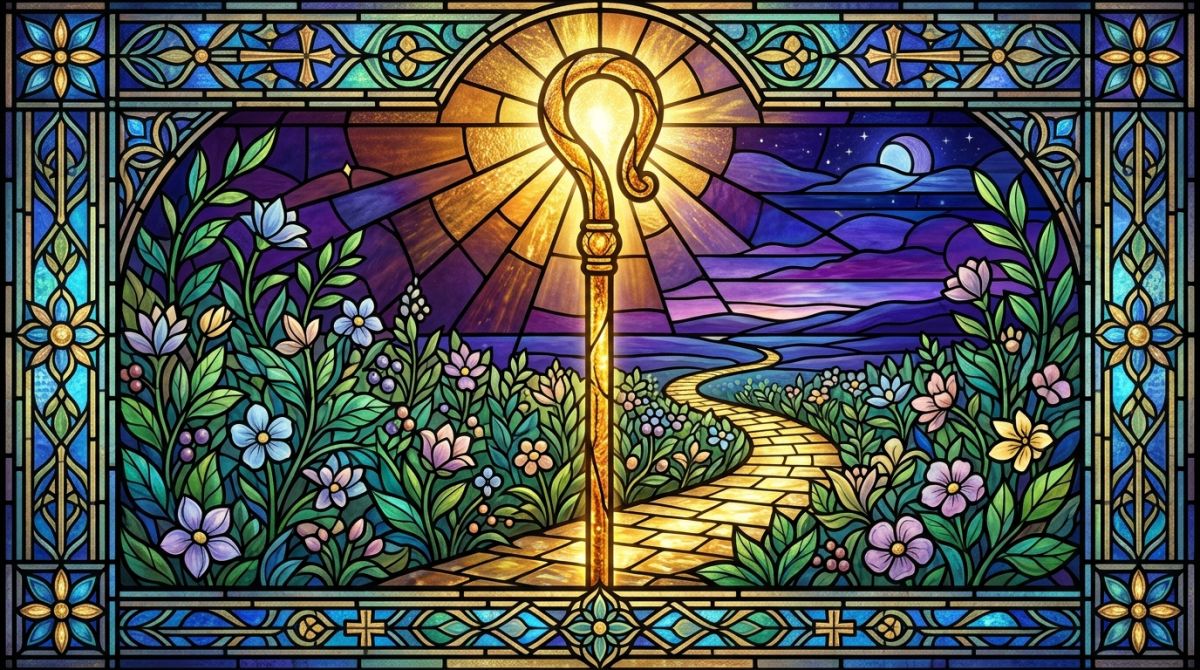
Welcome, dear friends, to another enriching session of our Bible study. As we continue our exploration of God's design for humanity, particularly concerning our sexuality and wholeness, it's essential to understand the foundation upon which all healthy relationships and lives are built: God's divine law. Far from being a burdensome list of restrictions, God's law is a beautiful expression of His love, designed for our protection, happiness, and ultimate well-being. Today, we'll delve into the profound purposes of God's law, discovering how it reveals His character, defines righteousness, exposes sin, and guides us toward a life of health and happiness.
When God brought His people out of Egypt, He didn't just leave them to figure things out on their own. He gave them a clear blueprint for living—a set of principles that would ensure their safety, happiness, and a thriving society. These are the Ten Commandments, the very heart of His moral law:
And God spake all these words, saying,
Exodus 20:1-17
I am the LORD thy God, which have brought thee out of the land of Egypt, out of the house of bondage.
Thou shalt have no other gods before me.
Thou shalt not make unto thee any graven image, or any likeness of any thing that is in heaven above, or that is in the earth beneath, or that is in the water under the earth:
Thou shalt not bow down thyself to them, nor serve them: for I the LORD thy God am a jealous God, visiting the iniquity of the fathers upon the children unto the third and fourth generation of them that hate me;
And shewing mercy unto thousands of them that love me, and keep my commandments.
Thou shalt not take the name of the LORD thy God in vain; for the LORD will not hold him guiltless that taketh his name in vain.
Remember the sabbath day, to keep it holy. Six days shalt thou labour, and do all thy work:
But the seventh day is the sabbath of the LORD thy God: in it thou shalt not do any work, thou, nor thy son, nor thy daughter, thy manservant, nor thy maidservant, nor thy cattle, nor thy stranger that is within thy gates:
For in six days the LORD made heaven and earth, the sea, and all that in them is, and rested the seventh day: wherefore the LORD blessed the sabbath day, and hallowed it.
Honour thy father and thy mother: that thy days may be long upon the land which the LORD thy God giveth thee.
Thou shalt not kill.
Thou shalt not commit adultery.
Thou shalt not steal.
Thou shalt not bear false witness against thy neighbour.
Thou shalt not covet thy neighbour's house, thou shalt not covet thy neighbour's wife, nor his manservant, nor his maidservant, nor his ox, nor his ass, nor any thing that is thy neighbour's.
These commandments are not arbitrary rules; they are the fundamental principles of God's government and a reflection of His perfect love and justice. They define what is right and wrong, guiding us in our relationship with God and with one another. When we live by these principles, we experience the blessings of order, peace, and security, creating a society where love and respect can flourish. They are a declaration of what true righteousness looks like in practical terms.
One of the most crucial purposes of God's law is to expose sin. Without a standard, we might not even recognize our wrongdoings. The law acts like a mirror, reflecting our true spiritual condition and revealing where we fall short of God's perfect ideal. The apostle Paul eloquently explains this:
What shall we say then? Is the law sin? God forbid. Nay, I had not known sin, but by the law: for I had not known lust, except the law had said, Thou shalt not covet.
Romans 7:7
Imagine trying to identify a crooked line without a straightedge. The law serves as that straightedge. It defines what sin is—namely, the transgression of the law (1 John 3:4). Before the law says "Thou shalt not covet," we might not recognize a strong desire for another's possessions as a problem. But once the law speaks, our conscience is awakened, and we see our thoughts and actions in a new light. This revelation of sin is not meant to condemn us, but to show us our need for a Savior and to lead us to repentance and grace.
Beyond revealing sin, God's law also serves as an indispensable guide for our daily lives. It's a pathway to wisdom, understanding, and a life that honors God and blesses others. The psalmist beautifully describes this guiding purpose:
Thy word is a lamp unto my feet, and a light unto my path.
Psalm 119:105
In a world filled with confusion, conflicting philosophies, and moral relativism, God's law provides a steady, unchanging light. It shows us the safe path to walk, protecting us from the pitfalls of destructive choices and unhealthy lifestyles. It guides us in our relationships, our work, our rest, and our worship. When we follow its principles, we experience a sense of peace, clarity, and purpose that leads to true happiness and wholeness. It's not about restriction, but about freedom from the consequences of sin.
The Ten Commandments, and indeed all of God's moral law, are designed to lead us to a life of physical, mental, and spiritual health. They promote harmonious relationships (Exodus 20:12, 13, 14, 15, 16), encourage reverence for God (Exodus 20:3, 4, 7), and provide for necessary rest and spiritual renewal (Exodus 20:8-11). When we align our lives with God's perfect standards, we experience the benefits of His design:
In every aspect, God's law is a testament to His loving care, seeking to bring us into a state of wholeness and abundant life. It defines the boundaries within which true freedom and joy are found.
The purpose of God's law is truly multifaceted and profoundly beneficial. It stands as a divine revelation of God's character, showing us what is good, true, and righteous. It serves as an essential tool for exposing sin, bringing us to a realization of our need for God's grace and forgiveness. And it functions as an unwavering lamp, guiding our steps toward a life of health, happiness, and harmonious living, both with God and with our fellow human beings. Let us embrace God's law not as a burden, but as a precious gift from a loving Father.