
The Law of Life: Wholeness Through Divine Love
Chapter: The Law, Obedience, and Enduring Through Trials
Lesson: God's Unchanging Law and the Call to Surrender
Welcome, dear friends, to our study today! As we continue our journey into "The Law of Life," we arrive at a profound truth: God's law is not a burden, but a blueprint for life, love, and wholeness. Today, we'll explore the enduring nature of God's moral law, understanding that true obedience isn't about rigid rule-keeping, but a heartfelt response to divine love. This journey leads us to the ultimate call—a complete surrender of our lives to Christ's will, finding true freedom and peace in Him.
The Enduring Nature of God's Law
In a world of constant change, it's comforting to know that some things remain steadfast. God's moral law is one such eternal truth. Jesus Himself affirmed its lasting power during His earthly ministry.
Think not that I am come to destroy the law, or the prophets: I am not come to destroy, but to fulfil. For verily I say unto you, Till heaven and earth pass, one jot or one tittle shall in no wise pass from the law, till all be fulfilled.
Matthew 5:17-18
Here, Jesus makes it clear that He did not come to abolish the law, but to uphold it and demonstrate its true meaning. His life perfectly exemplified the principles of God's law. He didn't come to set us free from the law, but to set us free to obey the law, writing it on our hearts through His love. The law reveals God's character and His perfect will for humanity, guiding us into a relationship of love with Him and with one another.
The Law as a Reflection of God's Character
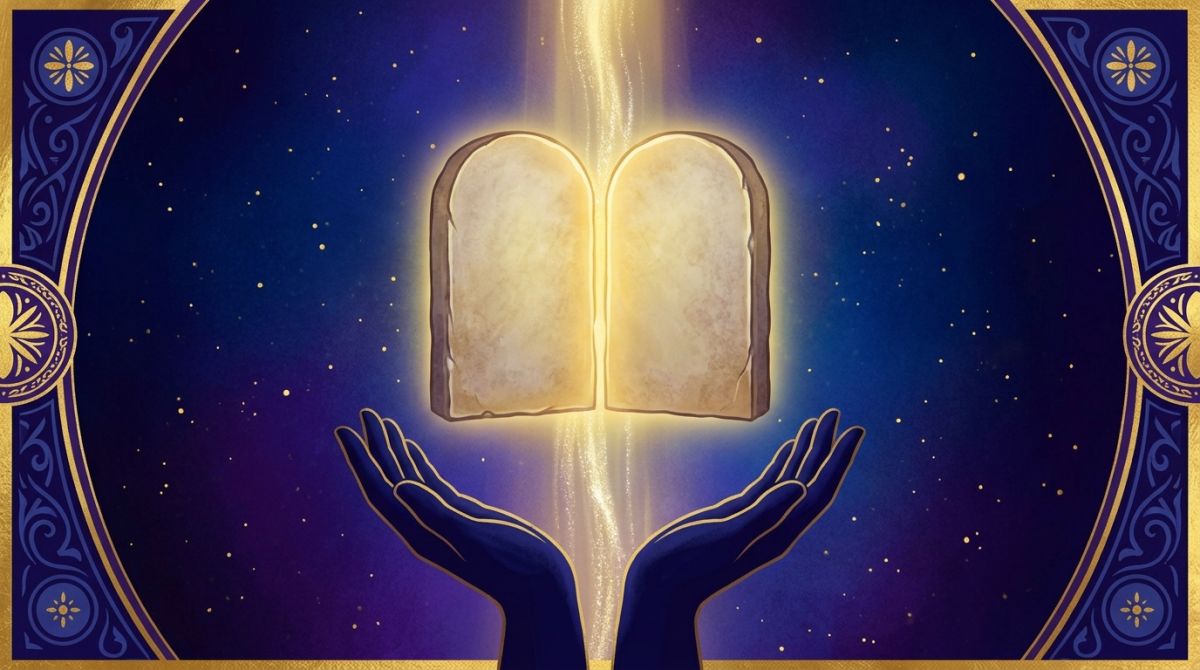
What exactly is this law that Jesus upheld? It is the Ten Commandments, given to Israel at Mount Sinai, which encapsulate the principles of love to God and love to humanity. Let's briefly review these foundational principles:
I am the LORD thy God, which have brought thee out of the land of Egypt, out of the house of bondage. Thou shalt have no other gods before me. Thou shalt not make unto thee any graven image... Thou shalt not take the name of the LORD thy God in vain... Remember the sabbath day, to keep it holy... Honour thy father and thy mother... Thou shalt not kill. Thou shalt not commit adultery. Thou shalt not steal. Thou shalt not bear false witness against thy neighbour. Thou shalt not covet...
Exodus 20:2-17
These commands are not arbitrary rules; they are the very essence of God's righteous and loving character. They define what it means to live in harmony with our Creator and with our fellow human beings. They are the "law of life" because they lead to flourishing and peace when followed, and to brokenness and sorrow when disregarded.
The Seriousness of Disobedience
Because the law reflects God's perfect character, any deviation from it is serious. The Bible defines sin in relation to this law:
Whosoever committeth sin transgresseth also the law: for sin is the transgression of the law.
1 John 3:4
This verse clearly states that sin is the breaking of God's law. Furthermore, the Bible teaches us about the interconnectedness of the commandments:
For whosoever shall keep the whole law, and yet offend in one point, he is guilty of all.
James 2:10
This doesn't mean that breaking one commandment is the same as breaking all of them in terms of consequence, but it highlights that breaking any part of God's perfect law demonstrates a heart that is not fully surrendered to His will. It shows disrespect for the Lawgiver Himself. This truth underscores our deep need for God's grace and His transforming power.
The Call to Surrender and Daily Discipleship
Understanding the enduring nature and seriousness of God's law might feel overwhelming, but it leads us to the beautiful truth of His grace. True obedience isn't achieved through human effort alone, but through a heart transformed by divine love and a complete surrender to Christ. Jesus Himself calls us to this surrender:
And he said to them all, If any man will come after me, let him deny himself, and take up his cross daily, and follow me.
Luke 9:23
This call to "deny himself" and "take up his cross daily" is an invitation to a life of complete surrender. It means letting go of our own desires, our own will, and our own ways, and allowing Christ to live His life through us. When our hearts are filled with His love, obedience to His law becomes a joy, not a burden. It becomes a natural outflow of our relationship with Him.
Surrender is not a one-time event, but a daily choice. Each morning, we are invited to recommit our lives to Him, asking for His strength to live according to His perfect will. This daily surrender allows God's Spirit to work within us, enabling us to reflect His character and truly live the "law of life."
Reflection Questions
- How does Matthew 5:17-18 deepen your understanding of Jesus' relationship to God's law?
- Review the Ten Commandments in Exodus 20:2-17. Which of these commandments do you find most challenging to live out in your daily life, and why?
- What does 1 John 3:4 and James 2:10 teach us about the seriousness of sin? How does this understanding lead you to appreciate God's grace more deeply?
- What does it mean to "deny himself, and take up his cross daily" (Luke 9:23) in your own life?
- How can a daily surrender to Christ help you live in harmony with God's law?
Conclusion
Today, we've reaffirmed that God's moral law is eternal and unchanging, a perfect reflection of His loving character. It stands as the "law of life," guiding us to wholeness. We've also seen that sin is the transgression of this law, highlighting our constant need for divine grace. But the beautiful truth is that true obedience isn't a burdensome duty, but a joyful response of a heart transformed by God's love. When we choose daily to surrender our lives completely to Christ, allowing Him to lead and empower us, His law becomes our delight, and we experience the true freedom and abundant life He offers.